
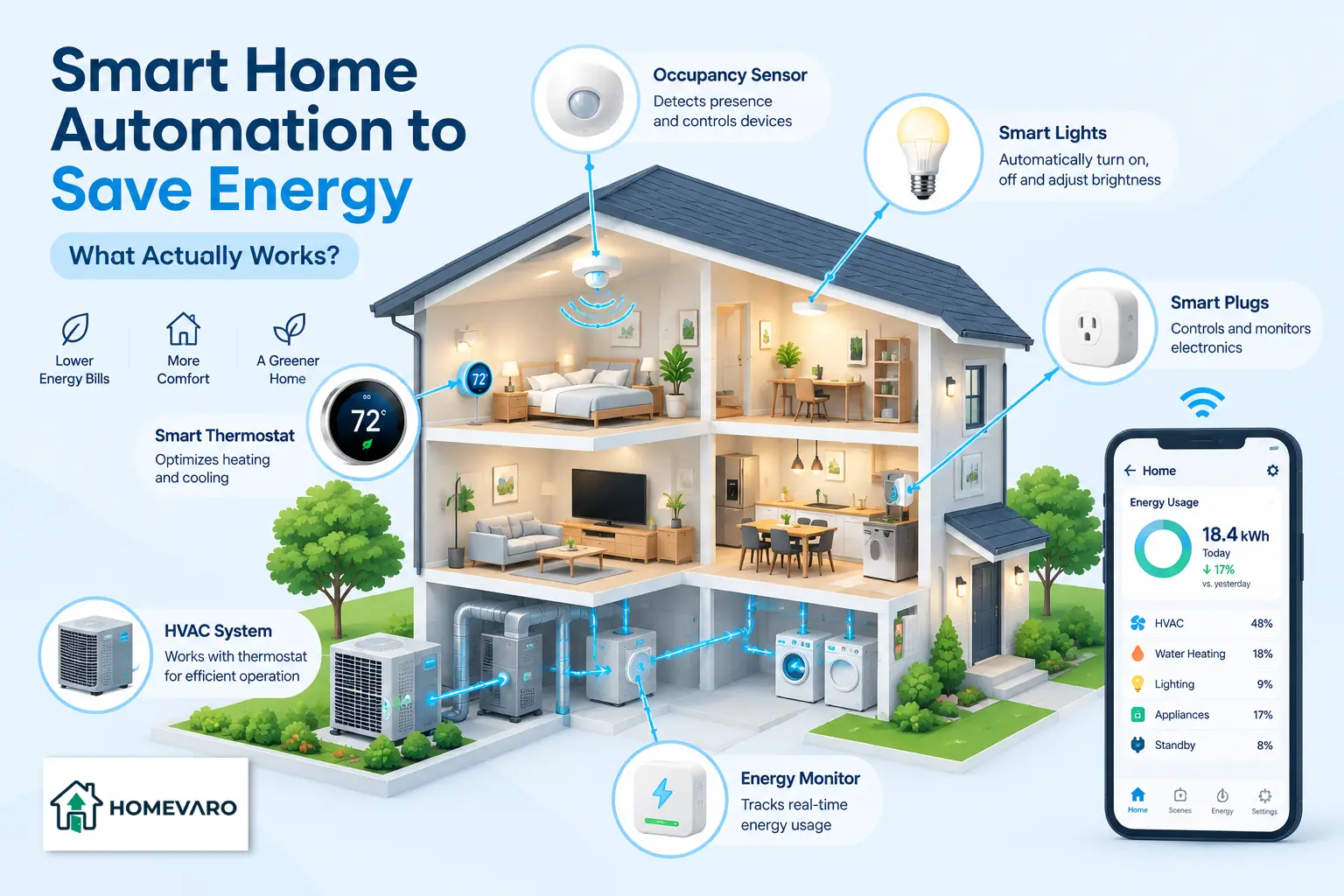
Which smart home automations actually cut your energy bill, in what order, and how much to expect. Device-neutral, with attributed DOE and EIA figures.
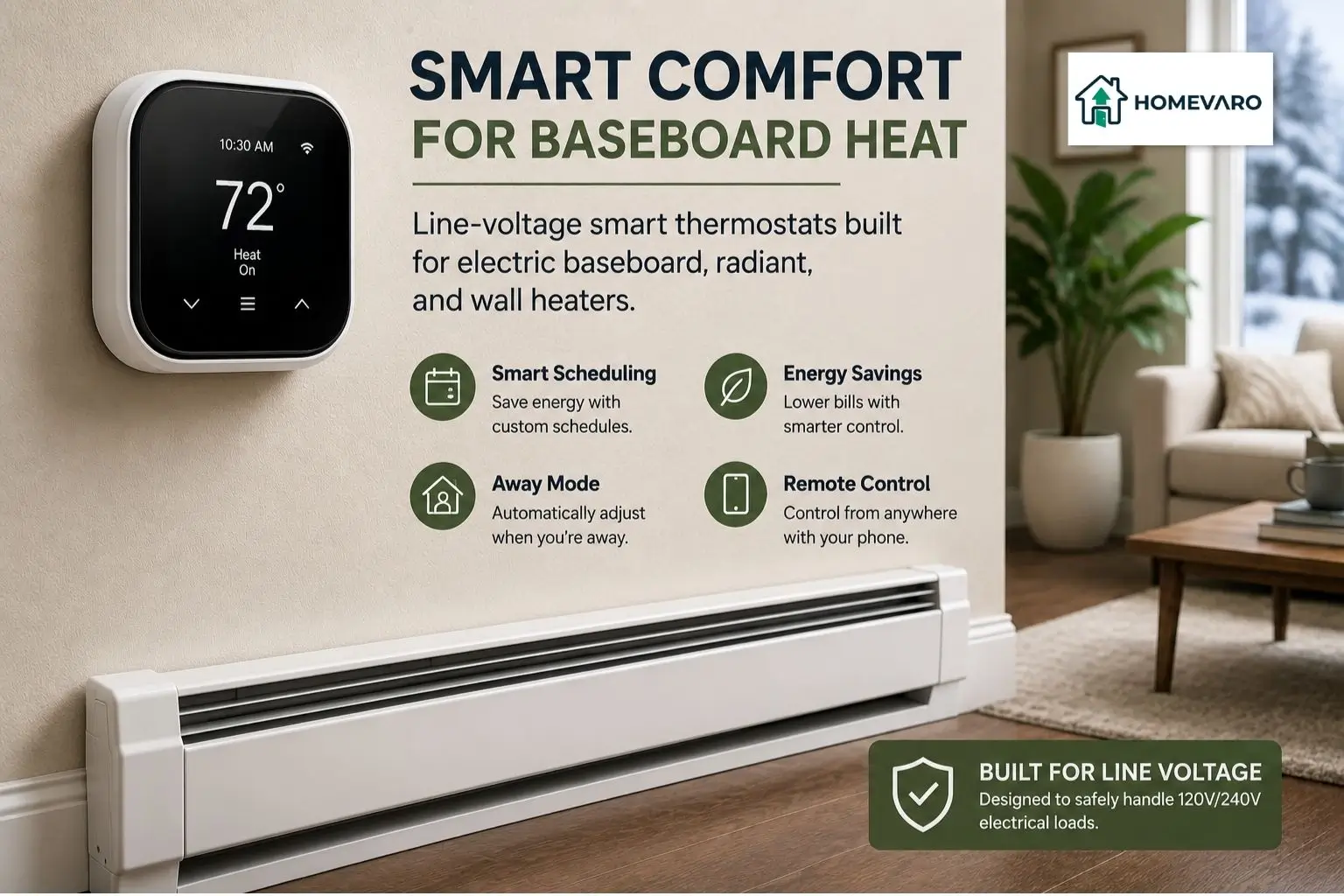
Nest and Ecobee are built for a different voltage than baseboard, radiant, or wall heaters. What the mismatch actually is, and what to look for.
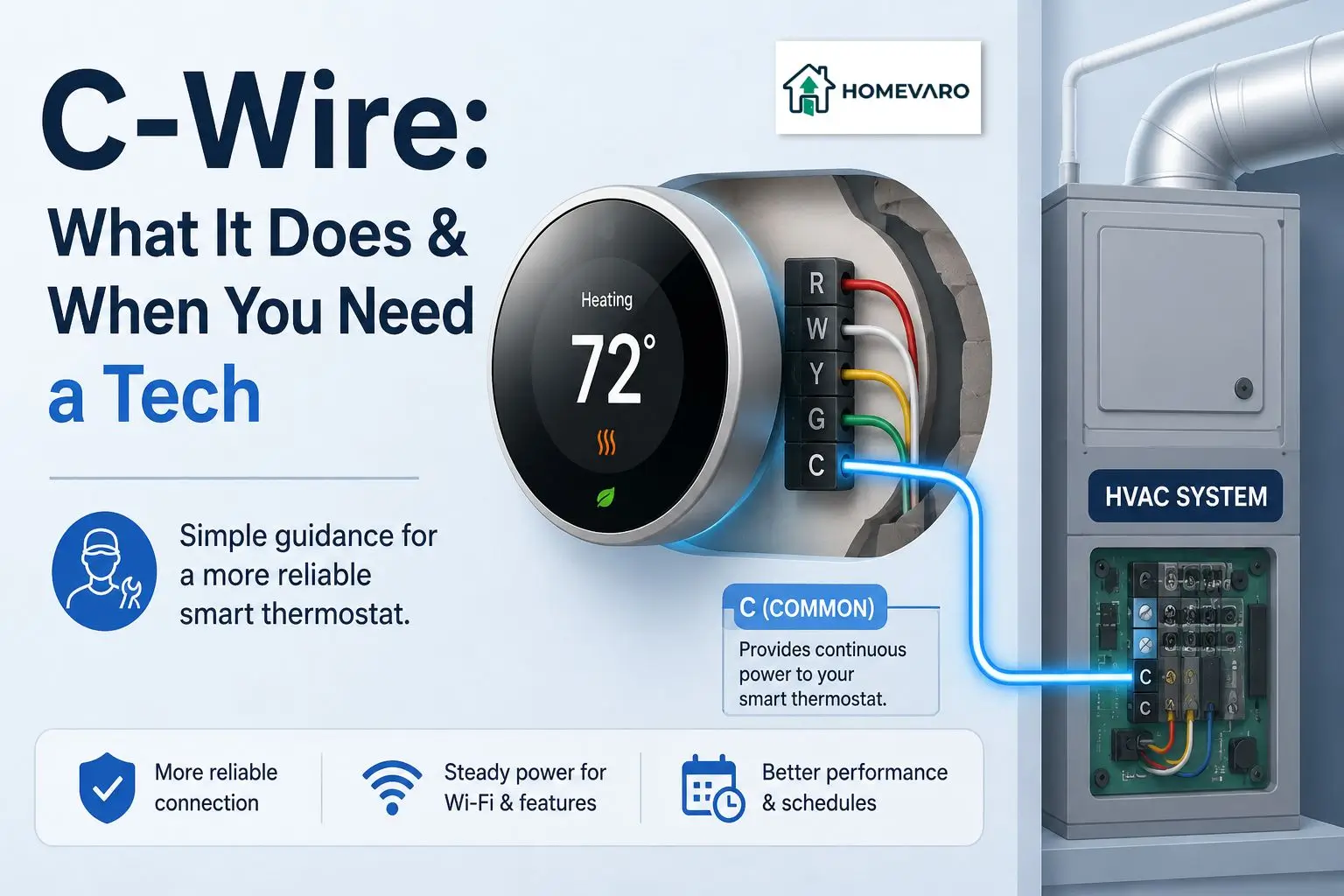
What a thermostat C-wire does, how to check if you have one, your homeowner-side options, and the exact point where it becomes an HVAC tech’s job.
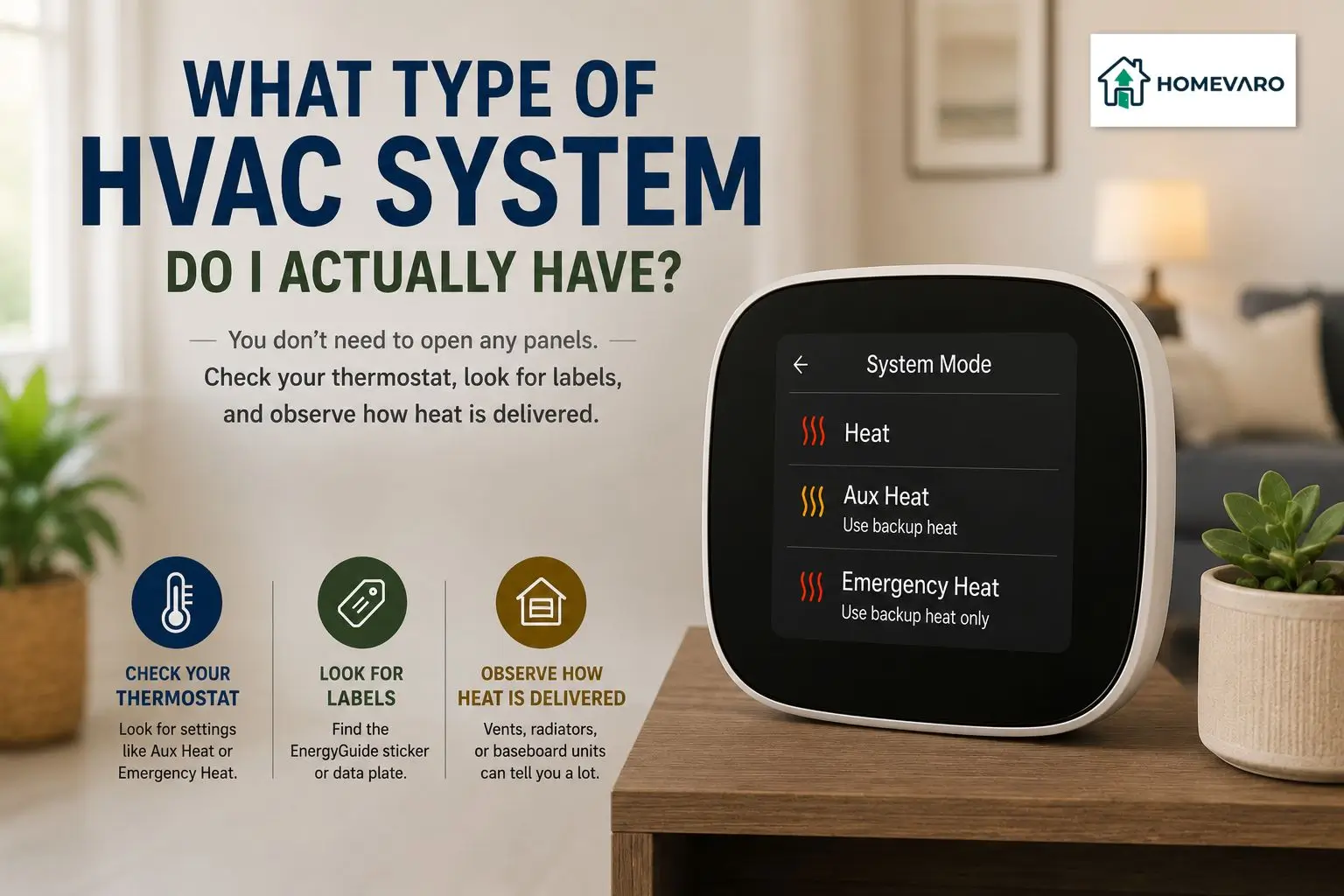
Furnace, heat pump, or boiler? Identify your system from the thermostat, the equipment label and the outdoor unit, no panels opened.
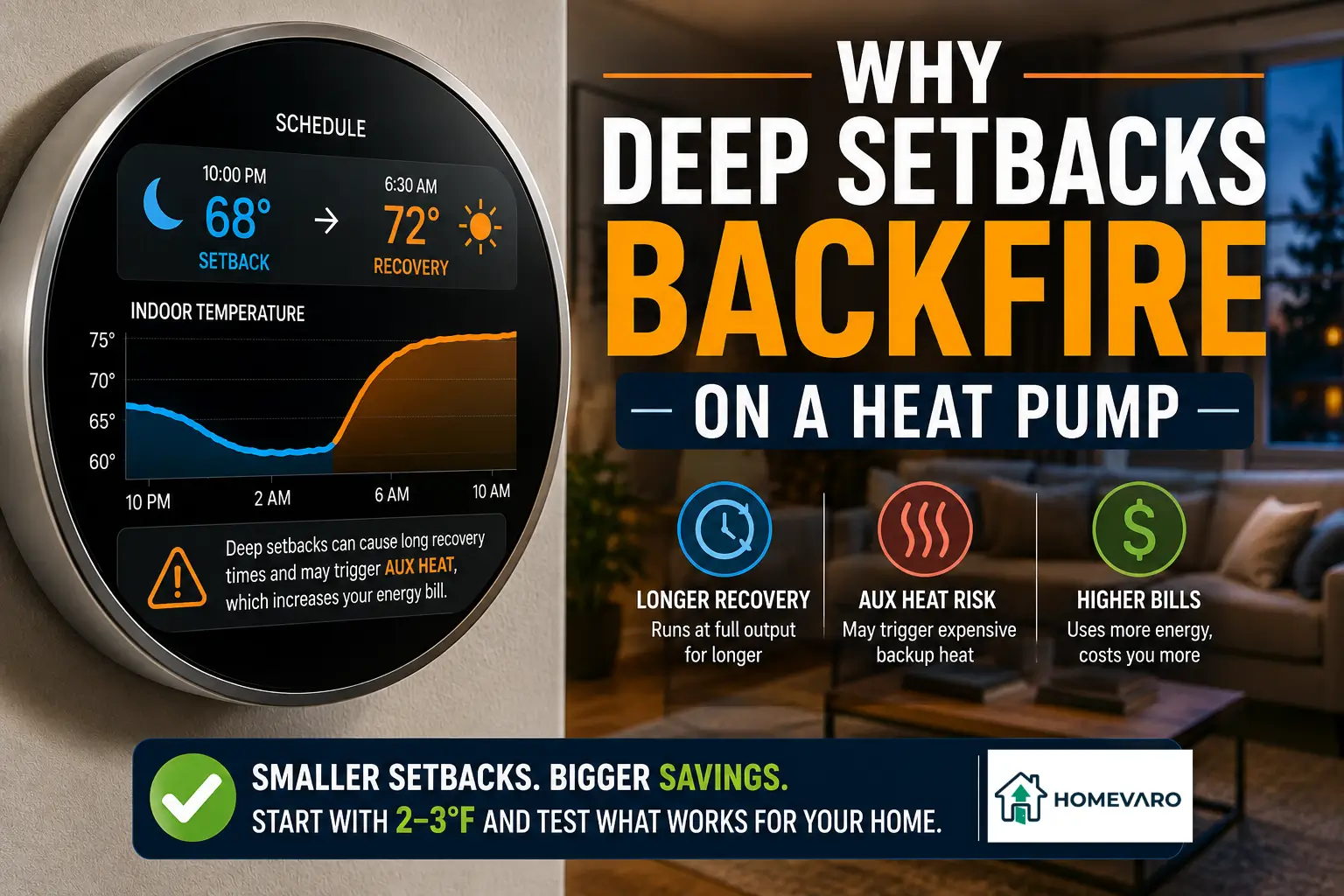
The 7-10 degree setback rule works on a furnace. On a heat pump it can trigger expensive backup heat. Here is the revised range and why.
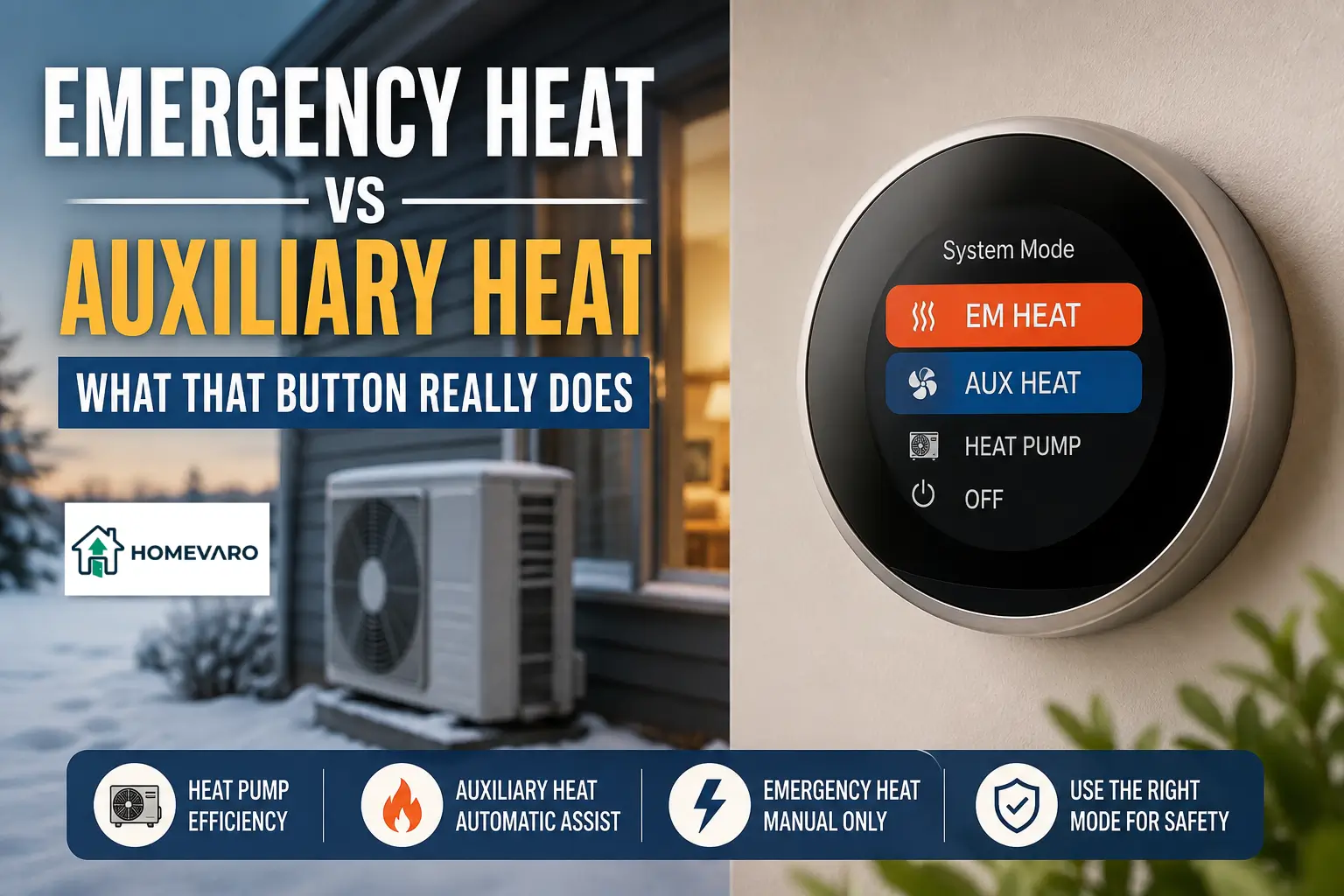
Auxiliary heat is automatic. Emergency heat is a manual last resort for a failing heat pump. What each does, and why one is not a setting to leave on.
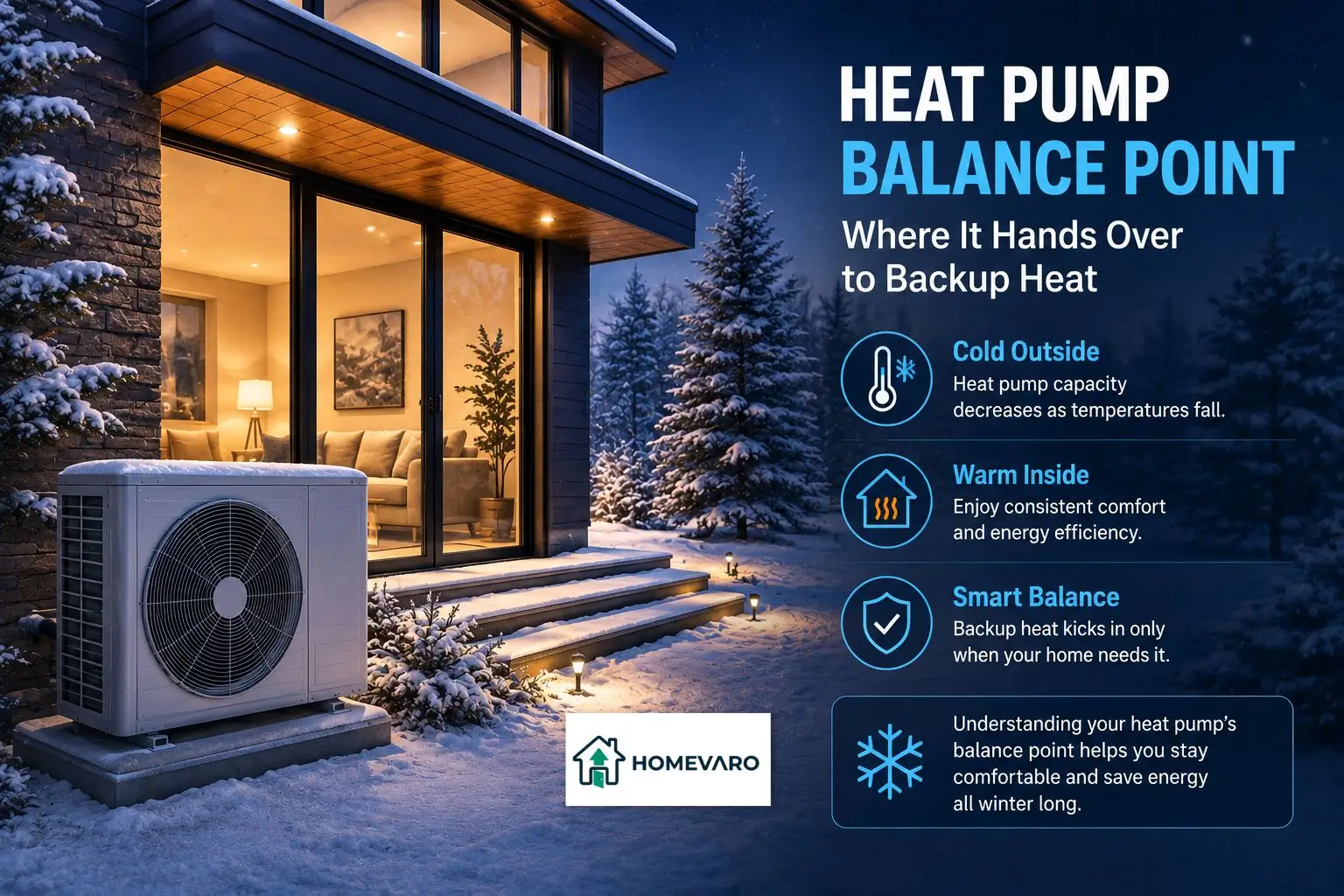
The outdoor temperature where your heat pump stops keeping up on its own, why it exists, and how it ties directly to your aux lockout setting.
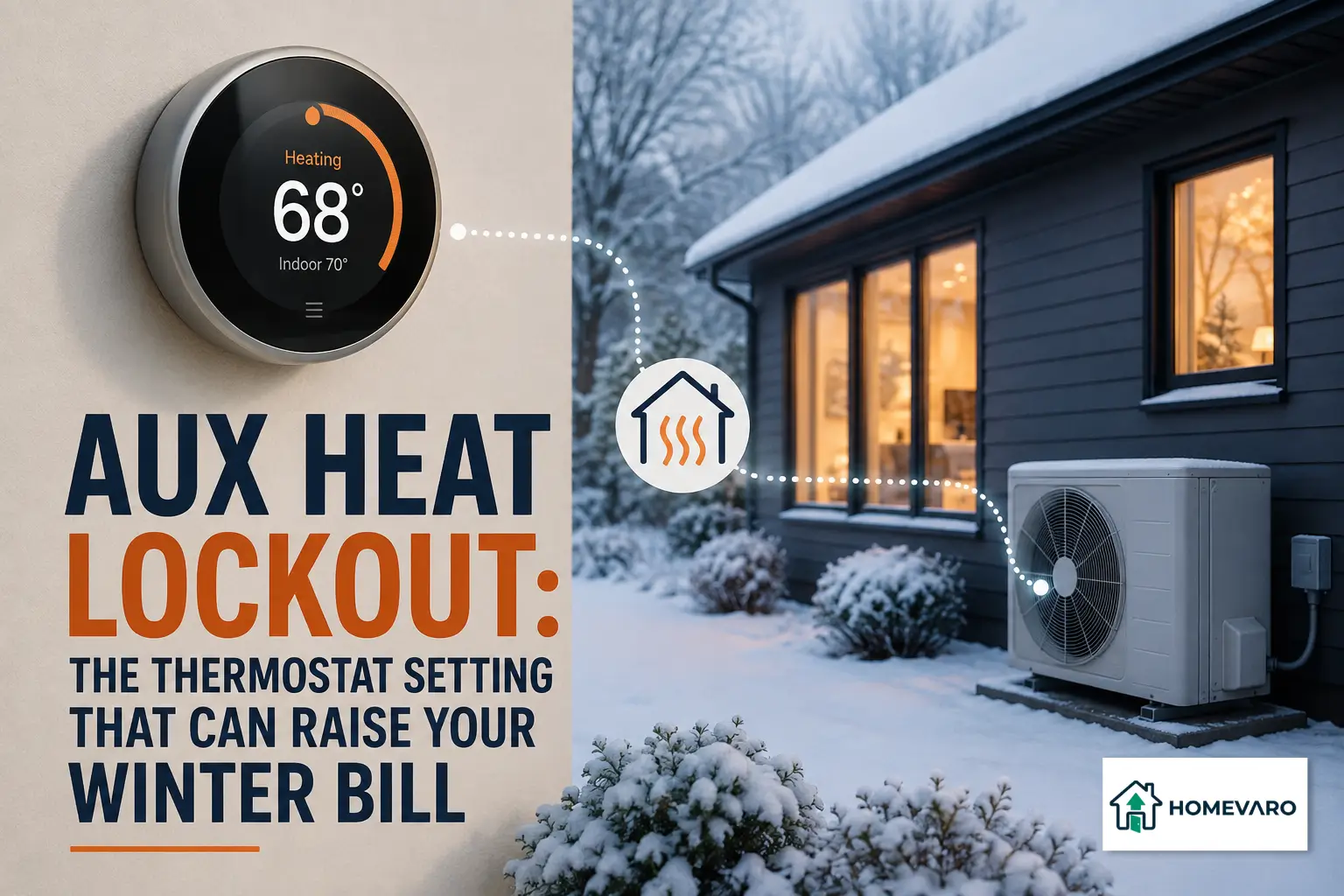
One heat pump setting decides how often expensive backup heat runs. What aux lockout controls, and how to tell if yours is set too high.
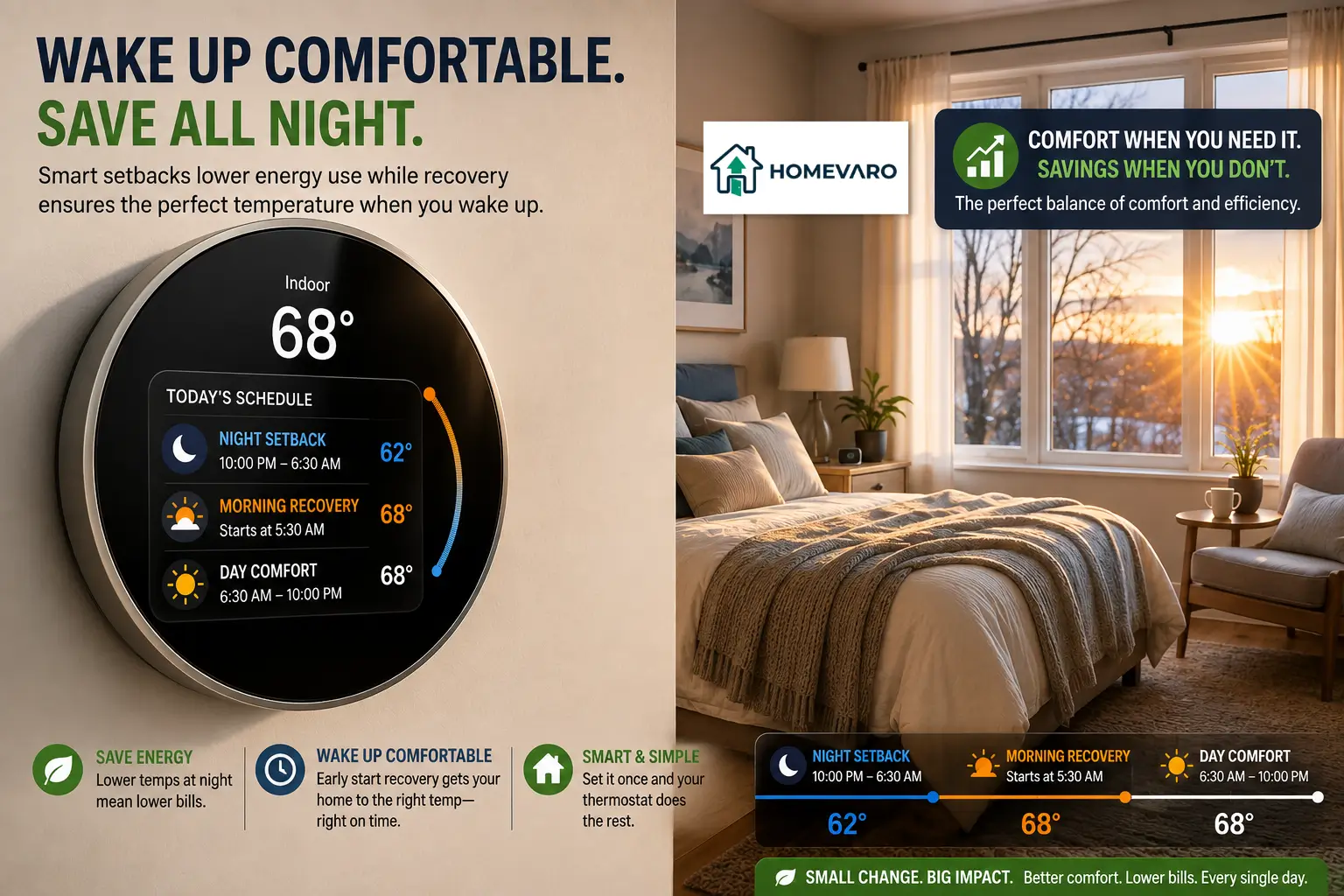
Waking up to a cold house is usually a setting, not the setback itself. The diagnostic order that fixes it without giving up the savings.
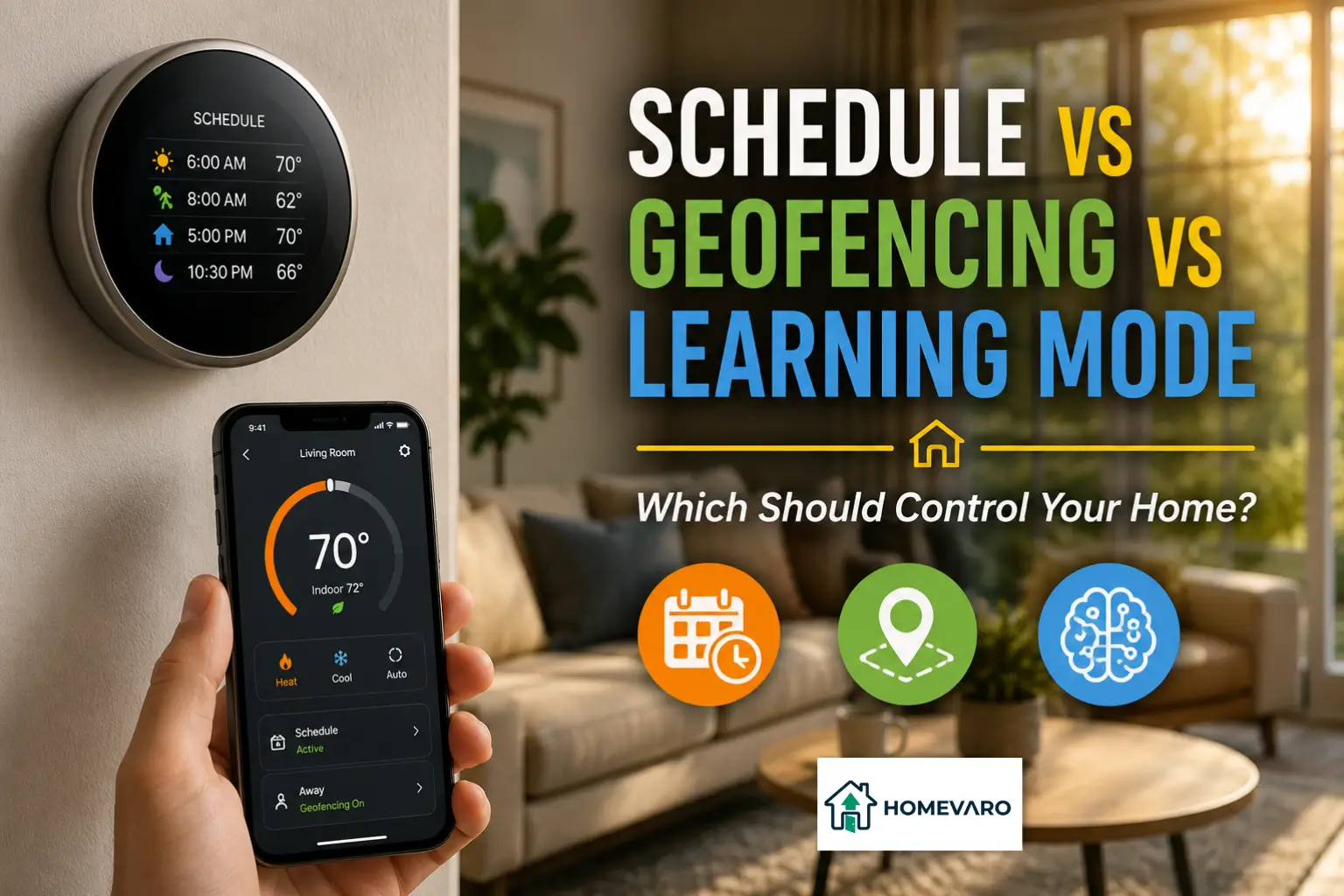
You already own all three modes. A plain rule for which one should actually run your smart thermostat, and when to combine them.
View More